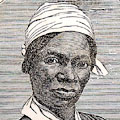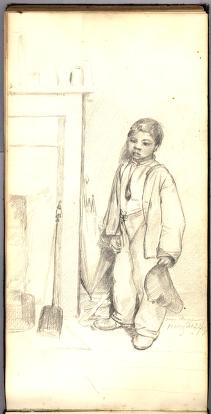
The American Revolution led Americans to view servitude of all sorts, and especially slavery, in a new light. Slavery as an institution fell increasingly out of step with the ideals of a new American society based on belief in the essential equality of all men. Many people increasingly viewed slavery as an inherently evil system that endangered the republican experiment itself. Antislavery societies sprang up in every state. In Massachusetts, a series of court cases put slavery on the defensive by challenging its legality under the state constitution's declaration that "All men are born free and equal." Despite these challenges, slavery disappeared only slowly in the north. Gradual emancipation laws in states such as New York, Rhode Island and Connecticut kept many African American men and women in bondage well into the 1800s. Tragically, slavery in these same years became ever more entrenched in the society and economy of the South, while northern factories turned slave-grown cotton into cloth and profited from producing the tools, shoes and clothing for the slaves who grew it. By the early 1800s it was becoming clear that slavery would not die out as the nation's founders had anticipated but was in fact flourishing and expanding. Debates over slavery grew increasingly contentious. In the decades preceding the Civil War, orators and writers publicized the injustice and horrid conditions of slavery. Free African Americans played an essential role in galvanizing the public conscience by speaking out against the evils of slavery and its consequences.
|